

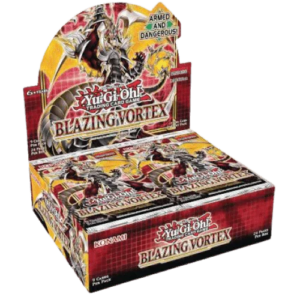


Yu-Gi-Oh! Crossover Breakers — Three New Archetypes for Competitive Play


Yu-Gi-Oh! Crossover Breakers launched on December 5, 2024 as a focused 60-card booster set built entirely around three brand-new archetypes. Unlike larger main-series sets that spread cards across dozens of themes, Crossover Breakers gives each of its three strategies a deep, self-contained card pool. The result is a set where archetype identity matters more than usual, and where your choice of strategy directly shapes how your deck plays, how consistent it feels, and how far it can go in competitive play.
Those three archetypes are Ryzeal, Maliss, and Ryu-Ge. Each one targets a different playstyle, a different mechanic, and a different type of duelist. Whether you are chasing tournament results, building a strong rogue deck, or looking for a new main strategy to invest in, this guide breaks down what each archetype does, how strong it actually is, and which one is the right fit for you.
What Is Yu-Gi-Oh! Crossover Breakers?
Crossover Breakers is a Deck Build Pack style release, the format Konami uses to introduce new, complete archetypes that players can build around immediately without needing support from other sets. The 60-card set is divided cleanly across its three themes, giving each archetype a meaningful number of Main Deck monsters, Extra Deck pieces, Spells, and Traps to work with from day one.
This approach means there is no filler. Every card in the set belongs to one of the three strategies, and the design intention is that you can open product and start building a functional deck relatively quickly. For competitive players, that also means the power level of each archetype is baked in from the start, rather than waiting for future support to unlock its ceiling.
If you enjoy collecting and playing older Yu-Gi-Oh! product alongside newer releases, sets like the Yu-Gi-Oh! Brothers of Legend Booster Box offer a strong mix of legacy reprints and competitive staples worth exploring between new set drops.
The Three New Archetypes: Maliss, Ryzeal, and Ryu-Ge
Before going deep on each strategy individually, here is a quick overview of where each archetype sits:
- Ryzeal is a Thunder and Pyro Xyz strategy built around Rank 4 loops and multi-turn pressure. It is widely considered the strongest competitive contender from this set.
- Maliss is a Cyberse combo and control hybrid that uses Pawns, Queens, and instant-speed Trap Cards alongside a powerful Link Monster. It rewards precise sequencing and has a high skill ceiling.
- Ryu-Ge is a narrative-driven Dragon, Dinosaur, and Sea Serpent strategy centered on high-Level boss monsters. It is the most distinctive and the most niche of the three, with the best crossover appeal into existing strategies.
Ryzeal: Rank 4 Xyz Pressure and Competitive Power
Ryzeal is a Thunder and Pyro archetype built entirely around Level 4 monsters and the Rank 4 Xyz toolbox. The core gameplay loop involves Normal Summoning or Special Summoning Ryzeal monsters, overlaying them into Rank 4 Xyz Monsters, then using those Xyz to detach materials for search effects and disruption. When those materials hit the Graveyard, Ryzeal has ways to reattach them, meaning the deck can sustain its Xyz plays across multiple turns without burning through resources.
What makes Ryzeal stand out competitively is the combination of consistency and pressure. Rank 4 is one of the most well-supported Xyz ranks in the entire game, and Ryzeal slots into that infrastructure while adding its own search and recursion tools on top. The deck does not rely on a single combo line or a single boss monster to function. Instead, it builds board presence incrementally and punishes opponents who cannot deal with repeated Xyz threats.
From a competitive standpoint, Ryzeal checks the boxes that matter most: it is consistent, it generates real interaction, it has a clear path to boss monsters, and it does not require complex multi-step combos to get going. For players who want a competitive deck that feels rewarding without being overly punishing to learn, Ryzeal is the strongest pick from Crossover Breakers.
Best fit: Players who prefer steady, methodical pressure over all-in combo strategies. Strong choice for competitive events and locals.
Maliss: Cyberse Combo and Control Potential
Maliss draws from fairy tale imagery and runs on Cyberse-type monsters divided into two roles: Pawns and Queens. The Pawn monsters handle early setup and Link climbing, while the Queen monsters represent the archetype’s more powerful pieces. Backing them up is a set of Trap Cards designed to activate immediately when set, which gives Maliss an unusual ability to threaten disruption on the same turn it sets its cards rather than waiting a full turn cycle.
The central piece of the strategy is a Link Monster whose directional arrows provide bonuses to monsters in its linked zones. The deck’s combo lines revolve around getting this Link Monster into position quickly, then using its zone bonuses to extend plays and set up disruption. When the sequencing works, Maliss can end a turn with both board presence and live Trap Cards, which puts real pressure on opponents who need to play through the strategy.
The tradeoff is that Maliss rewards careful sequencing more than the other two archetypes. The Pawn and Queen structure creates meaningful decisions about which pieces to deploy and in what order. Players who enjoy puzzle-like gameplay and incremental advantage will find Maliss deeply satisfying. For newer players or those who prefer more forgiving lines, Ryzeal is likely the easier entry point.
Maliss also benefits from the Cyberse typing, which has accumulated meaningful generic support over the years. There is room to build the deck with a higher skill ceiling in mind, blending the archetype’s own tools with broader Cyberse infrastructure for a more polished tournament build.
Best fit: Skilled players who enjoy optimizing sequencing and building combo-control hybrids. Strong potential ceiling with the right build.
For players who enjoy the history behind iconic Yu-Gi-Oh! strategies alongside new releases, the Yu-Gi-Oh! Yugi’s Legendary Decks Box Set is a great companion piece for any collection.
Ryu-Ge: High-Level Boss Monsters and Rogue Strategy Appeal
Ryu-Ge tells a narrative about dragons competing for succession across a kingdom, and it brings together three monster types that have historically stayed separate: Dinosaur, Sea Serpent, and Wyrm. The archetype’s internal strategy centers on high-Level boss monsters that are unlocked through a progression system tied to the dragon-succession theme. Winning internal duels between Ryu-Ge monsters advances the narrative and powers up the deck’s strongest pieces.
Where Ryu-Ge separates itself most clearly from Ryzeal and Maliss is in its crossover design. These cards are explicitly built to slot into existing Dinosaur, Sea Serpent, and Wyrm strategies, not just to function as a standalone theme. If you already play a Dinosaur deck and want new tools, or if you run a Sea Serpent strategy that needs a boost, Ryu-Ge offers genuinely useful additions rather than forcing you to rebuild from scratch.
Competitively, Ryu-Ge is the most niche of the three. The reliance on high-Level monsters and a thematic progression system means the deck is less straightforward than Ryzeal and less versatile than Maliss in a pure tournament context. However, as a rogue strategy or as a supplement to established Dinosaur and Sea Serpent builds, it has real potential to catch unprepared opponents off guard. Rogue decks that opponents have not studied tend to perform better in early tournament cycles, and Ryu-Ge fits that profile well.
Best fit: Players who want a distinctive strategy, existing Dinosaur or Sea Serpent duelists looking for new tools, and rogue-minded competitors who enjoy playing under the radar.
Which Crossover Breakers Archetype Looks Best for Competitive Play?
If the question is purely about competitive ceiling and consistency, Ryzeal is the strongest archetype from this set. Its Rank 4 engine is built on proven infrastructure, its consistency is high, and it generates the kind of multi-turn pressure that competitive formats reward. Players who want to take Crossover Breakers to a tournament should start with Ryzeal.
Maliss has a comparable ceiling in the hands of a skilled pilot. The combo-control identity is compelling, and the instant-speed Trap Cards give it tools that other archetypes in the current format do not replicate easily. The gap between Maliss and Ryzeal comes down to learning curve and consistency, not raw power. A polished Maliss build piloted well can absolutely compete at a high level.
Ryu-Ge is not a tier one contender in a straight meta comparison, but it should not be dismissed. Its rogue potential is real, and its value to existing Dinosaur and Sea Serpent strategies makes it useful even outside of pure Ryu-Ge builds. In terms of competitive investment, Ryu-Ge is best approached as a supplement to a strategy you already play rather than a standalone main deck.
You can explore more recent competitive releases and see how Crossover Breakers fits into the broader Yu-Gi-Oh! release schedule in our Yu-Gi-Oh! Legacy of Destruction guide, which covers the FIRE Dragon and Silent Series strategies that shaped the format going into 2024.
What Kind of Player Each Archetype Fits Best
Choosing the right archetype is not only about competitive ranking. Playstyle matters just as much, especially in a set designed to be self-contained and accessible.
- If you prefer consistency and straightforward power: Ryzeal is your deck. It rewards solid fundamentals and punishes opponents without asking you to memorize long combo trees.
- If you enjoy sequencing puzzles and building tight, efficient boards: Maliss fits the way you think about the game. The skill ceiling is real, but so is the reward for mastering the archetype’s lines.
- If you want a narrative-driven deck with crossover potential: Ryu-Ge is the most distinctive choice. It is best for players who already have Dinosaur or Sea Serpent investments or who want to play something opponents are less likely to have prepared for.
- If you are on a tighter budget: Ryzeal is likely the most efficient competitive investment. Its generic Rank 4 synergies mean supporting cards are widely available and often affordable.
- If you collect as well as play: All three archetypes offer new artwork and card designs worth owning, but Ryu-Ge’s dragon-succession narrative gives it some of the most visually distinctive cards in the set.
Key Cards and Synergies to Watch
Across the three archetypes, a few cards and interactions are worth tracking as the format develops:
Ryzeal: The Rank 4 engine is only as strong as the material-reattachment mechanism that keeps it going. Watch for which specific Ryzeal monsters generate the most consistent search access, as those cards will define the deck’s optimal opening plays and become the most sought-after pulls from the set.
Maliss: The Link Monster with directional arrow bonuses is the centerpiece of every Maliss game plan. Understanding its arrow coverage and how it interacts with the instant-speed Traps will be the key skill check for pilots building toward a tournament-level build. This card is almost certainly the highest-demand pull from the Maliss line.
Ryu-Ge: The crossover cards designed to work with existing Dinosaur and Sea Serpent strategies are worth evaluating independently of the full Ryu-Ge theme. Some of these pieces may find a home in established strategies even without full Ryu-Ge support, which could increase their value and demand over time.
For players chasing high-rarity pulls, releases like the Maximum Gold El Dorado Display Box and the Yu-Gi-Oh! Ghosts From the Past Collection Box remain strong options for building out a collection alongside newer releases.
Final Thoughts on Crossover Breakers in the Meta
Yu-Gi-Oh! Crossover Breakers is a well-constructed set that delivers three distinct, playable archetypes without spreading itself thin. The focused design means each strategy has the tools it needs to function, and the variety between Ryzeal, Maliss, and Ryu-Ge is wide enough that most players will find one that genuinely suits how they like to play.
Ryzeal is the safest competitive investment. Maliss has the highest skill ceiling and the most room to grow with the right pilot. Ryu-Ge is the most unique choice and the best fit for players who already have a stake in Dinosaur or Sea Serpent strategies.
If you are following the competitive calendar and want to see how Crossover Breakers fits into recent release history, our guides on Yu-Gi-Oh! Quarter Century Stampede and Yu-Gi-Oh! Quarter Century Bonanza cover the sets that defined the lead-up to this release.
Whatever archetype you choose, Crossover Breakers gives you a complete foundation to build from. Pick the strategy that fits your game, get your hands on the product, and start building.
Frequently Asked Questions About Yu-Gi-Oh! Crossover Breakers
How many cards are in Yu-Gi-Oh! Crossover Breakers?
Crossover Breakers is a 60-card set. The cards are distributed across three archetypes: Ryzeal, Maliss, and Ryu-Ge, each receiving a focused pool of Main Deck monsters, Extra Deck pieces, Spells, and Traps.
When did Crossover Breakers release?
The set released on December 5, 2024.
Which Crossover Breakers archetype is best for competitive play?
Ryzeal is widely considered the strongest competitive option from the set. Its Rank 4 Xyz engine, high consistency, and multi-turn pressure give it the most straightforward path to competitive results. Maliss has a comparable ceiling with skilled piloting, while Ryu-Ge is better suited for rogue strategies or as support for existing Dinosaur and Sea Serpent decks.
Is Ryu-Ge good in existing Dinosaur or Sea Serpent decks?
Yes. Ryu-Ge is specifically designed with crossover appeal in mind. Several cards in the archetype are built to slot into Dinosaur, Sea Serpent, and Wyrm strategies, making them useful even if you are not building a dedicated Ryu-Ge deck.
What type of monsters does Maliss use?
Maliss runs Cyberse-type monsters, divided into Pawn and Queen roles. The archetype is backed by instant-speed Trap Cards and a central Link Monster whose directional arrows provide zone-based bonuses to connected monsters.
Is Crossover Breakers worth buying for a casual player?
Yes. The set’s three archetypes each offer a complete gameplay identity, and the focused design means the cards you open are relevant to a playable strategy. Ryzeal and Maliss both have competitive upside, and Ryu-Ge offers a distinctive narrative-driven experience that casual players who enjoy themed decks will appreciate.
Does Ryzeal work with generic Rank 4 Xyz support?
Yes. Ryzeal is built around the Level 4 and Rank 4 framework, which means it can access the broad pool of generic Rank 4 Xyz Monsters that already exist in the game. This is one of the reasons it is considered the strongest competitive option from the set.


We use cookies to improve your experience. By continuing, you agree to our cookie policy.
I Accept
We usually reply within minutes.
Your Cart
Add $999.00 more to get free shipping!

Yu-Gi-Oh! – Legendary Duelists: Rage of Ra – Booster Box (24x Packs)
Original price was: $57.99.$52.99Current price is: $52.99.


- Support:Contact Us page
All Categories
Search